

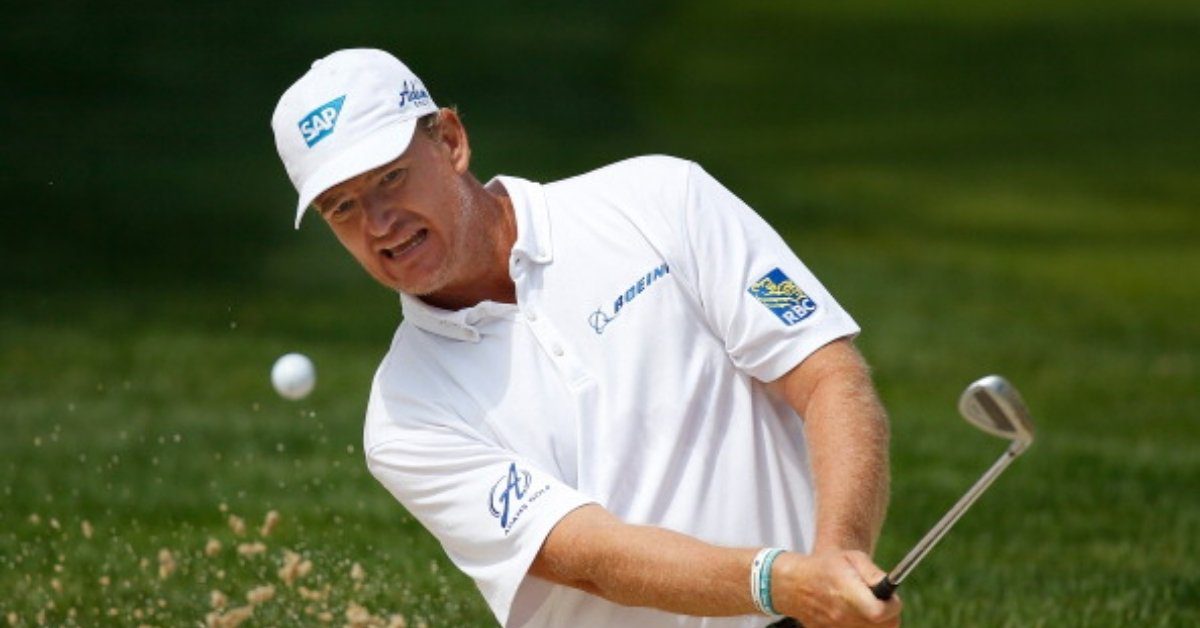
This article provides a comprehensive, in-depth analysis of Ernie Els net worth, examining how one of golf’s most respected figures built enduring wealth through elite performance, business ventures, and philanthropy. Known globally as a South African golfer with a powerful yet smooth swing, Ernie Els has earned tens of millions through tournament prize money, endorsements, and entrepreneurship.
This guide explores his career earnings, professional milestones across the PGA Tour and European Tour, and his victories in major championship events such as the US Open and Open Championship. Beyond competitive golf, it also explains how his golf course design business, winemaking business, and charitable foundation contribute to his long-term net worth. The article concludes with insights into his personal life, values, and lasting career achievements that define his financial and professional legacy.
Quick Facts
| Category | Key Information |
| Full Name | Theodore Ernest Els |
| Known As | Ernie Els |
| Date of Birth | October 17, 1969 |
| Place of Birth | Johannesburg, South Africa |
| Nationality | South African |
| Profession | Professional golfer, entrepreneur |
| Turned Professional | 1989 |
| Estimated Net Worth | $85 million |
| Total Career Prize Money | Over $50 million |
| Primary Tours | PGA Tour, European Tour |
| Major Championship Wins | 4 total |
| US Open Wins |
What Is Ernie Els’ Net Worth and Career Earnings?
Ernie Els’ net worth is widely estimated at $85 million, a figure that reflects more than three decades of excellence as a professional golfer and entrepreneur. His wealth has been built from multiple income streams, including tournament prize money, endorsements, business investments, and post-prime competitive play on senior tours. While many golfers rely heavily on short peak periods, Els stands out for sustaining relevance and earnings across different stages of his professional career.
A significant portion of his wealth comes from competitive golf. Over his prime years on the PGA Tour and European Tour, he accumulated more than $50 million prize money alone. This figure does not account for appearance fees, bonuses, or endorsement contracts, which often matched or exceeded on-course earnings during his peak golf ranking years. Sponsors valued Els for his global appeal, calm demeanor, and consistency, especially during an era dominated by Tiger Woods.
Unlike players who fade financially after retirement, Els expanded into entrepreneurship. His golf course design business operates internationally, while his winemaking business produces globally recognized wines. These ventures generate millions per year and protect his net worth from the volatility of competitive sports. Combined with disciplined financial management, these diversified income sources explain how Ernie Els has maintained an elite financial position long after his first major championship wins.
Career Earnings
Ernie Els’ career earnings place him among the most financially successful golfers in history. Over the course of his professional career, he earned more than $50 million prize money from official tournaments, excluding endorsements and business revenue. This alone positions him firmly within golf’s financial elite.
His earnings are closely tied to consistent tournament wins and high placements across multiple tours. On the PGA Tour, Els captured marquee victories at events like the Honda Classic and the Arnold Palmer Invitational. On the European Tour, he dominated for years, finishing as European Order of Merit winner and collecting wins at tournaments such as the BMW International Open. These results ensured steady income rather than reliance on isolated peak seasons.
Major championship success significantly boosted his earnings and market value. Winning the US Open twice and the Open Championship twice elevated his profile globally. Each major championship victory not only delivered immediate tournament prize money but also increased endorsement leverage for years afterward. During his prime, Els was reportedly earning millions per year when combining competition income with sponsorship deals.
Later in his career, Els transitioned to the PGA Tour Champions, where he continued earning while extending his brand. His longevity, consistency, and adaptability explain why his career earnings remain relevant even decades after his first professional win.
Early Life
Theodore Ernest Els was born in Johannesburg, South Africa, a region with a strong but competitive golfing culture. From an early age, Ernie displayed exceptional athletic ability, excelling not only in golf but also in rugby and cricket. Ultimately, golf became his primary focus due to his natural swing mechanics and mental composure.
His junior career was marked by rapid success. He won the Junior World Golf Championship, a prestigious international event that signaled his potential on a global stage. This achievement placed him among the most promising young golfers of his generation and opened doors to international competition.
Els later won the South African Amateur, one of the most respected amateur titles in the country. These early victories were critical in shaping his confidence and professional trajectory. Competing against older and more experienced players helped him develop resilience, a trait that would define his professional career.
Growing up in South Africa also influenced his discipline and humility. Unlike players raised in highly commercialized golf systems, Els developed his game in a more traditional environment, focusing on fundamentals rather than branding. This foundation explains his smooth transition into professional golf and his ability to remain competitive across decades and continents.
Professional Playing, Part 1
Ernie Els turned professional in the late 1980s and quickly made an impact on the European Tour. His breakthrough came with multiple tournament wins early in his career, signaling that he was more than a regional talent. He soon expanded his presence globally, competing regularly on the PGA Tour while maintaining dominance in Europe.
His first US Open victory was a defining moment. Winning a major championship early in his career validated his status as a world-class professional golfer. A second US Open title later reinforced his reputation for performing under pressure. These victories dramatically improved his golf ranking and established him as a consistent contender in elite tournaments.
Els also found success at the Open Championship, where his calm temperament and adaptability to links-style courses proved invaluable. Winning this historic major championship further enhanced his international appeal. During this period, he was often compared directly with Tiger Woods, not for power alone, but for consistency and mental strength.
Beyond majors, Els collected victories at events like the World Match Play Championship, which he won a record seven times. This achievement remains one of the most dominant records in professional golf and contributed significantly to his career achievements and earnings.
Professional Playing, Part 2
As Ernie Els moved into the later stages of his professional career, his role within golf evolved. While he was no longer competing for the number one golf ranking every season, he remained a formidable presence. His experience allowed him to maintain strong finishes in Masters tournaments and other elite events.
Transitioning to the PGA Tour Champions allowed Els to extend his competitive career without diminishing his legacy. On the senior circuit, he quickly became a top performer, adding new tournament wins and earnings to his résumé. This phase of his career demonstrated his adaptability and commitment to high-level performance.
Even without frequent victories, Els continued generating income through appearance fees and global exhibitions. His reputation ensured invitations to prestigious tournaments worldwide, further increasing his net worth. Fans and sponsors valued his professionalism, making him one of the most respected veterans in the sport.
This period also allowed Els to focus more on mentoring younger players and representing golf internationally. His longevity stands as proof that a disciplined approach to fitness, technique, and mental health can sustain a professional career far beyond traditional expectations.
Entrepreneurship and Philanthropy
Ernie Els’ entrepreneurship has played a major role in sustaining and growing his net worth beyond competitive golf. His golf course design business operates across several continents, creating courses known for strategic layouts rather than brute length. These projects generate long-term income through design fees, royalties, and brand licensing.
Equally notable is his winemaking business, which produces premium wines distributed internationally. The brand reflects Els’ personality: refined, consistent, and globally appealing. This business has become a significant revenue stream, reinforcing his financial independence from tournament winnings.
Philanthropy is central to Els’ identity. He established a charitable foundation focused on education and autism awareness. The Ernie Els and Fancourt Foundation supports young golfers academically and athletically through ASM Scholarships, helping them balance education with competitive sports.
The Els for Autism Pro-Am raises funds for the Renaissance Learning Center, providing specialized education for children with autism. This commitment to philanthropy highlights how Els has used his success to create meaningful social impact while strengthening his public legacy.
Personal Life
Ernie Els leads a relatively private personal life, grounded in family and stability. He is married to his wife Liezi, who has been a constant source of support throughout his professional journey. Together, they reside at the Wentworth Estate, reflecting a lifestyle that balances luxury with privacy.
Despite his wealth and fame, Els is known for humility and approachability. His South African roots remain central to his identity, and he frequently speaks about the values instilled during his upbringing in Johannesburg, South Africa.
Family experiences have deeply influenced his philanthropic focus, particularly his involvement in autism-related initiatives. Rather than treating charity as a side project, Els integrates philanthropy into his daily life and business decisions.
Today, Ernie Els is respected not only for his tournament wins and major championships but also for his integrity, discipline, and long-term vision. His personal and professional lives together explain how he has built enduring wealth, global respect, and a legacy that extends far beyond golf.
Conclusion: The Enduring Legacy Behind Ernie Els’ Net Worth
Ernie Els’ financial success is the result of far more than tournament prize money or short-term fame. His estimated Ernie Els net worth of $85 million reflects a career built on consistency, strategic thinking, and long-term vision. From winning major championship titles like the US Open and Open Championship to earning over $50 million prize money across the PGA Tour and European Tour, Els maximized his competitive years without relying on brief peaks.
What truly sets him apart is how he transformed on-course success into sustainable wealth. His golf course design business, winemaking business, and global endorsements ensured steady income even as his playing schedule evolved. At the same time, his commitment to philanthropy through initiatives like the Ernie Els and Fancourt Foundation and the Els for Autism Pro-Am demonstrates a purpose-driven approach to success.
Ultimately, Ernie Els stands as a model professional golfer whose career achievements, entrepreneurship, and values have created a legacy that extends well beyond golf and into lasting global influence.

Nathan Cole writer at BlessingsShine, dedicated to creating heartfelt blessings, prayers, and inspirational messages that uplift and guide readers. With years of experience, he blends empathy, spiritual insight, and practical wisdom to help people find comfort, positivity, and clarity in everyday life. Nathan’s work is designed to inspire hope, strengthen connections, and provide meaningful words that readers can use in personal reflection or to share with others.