

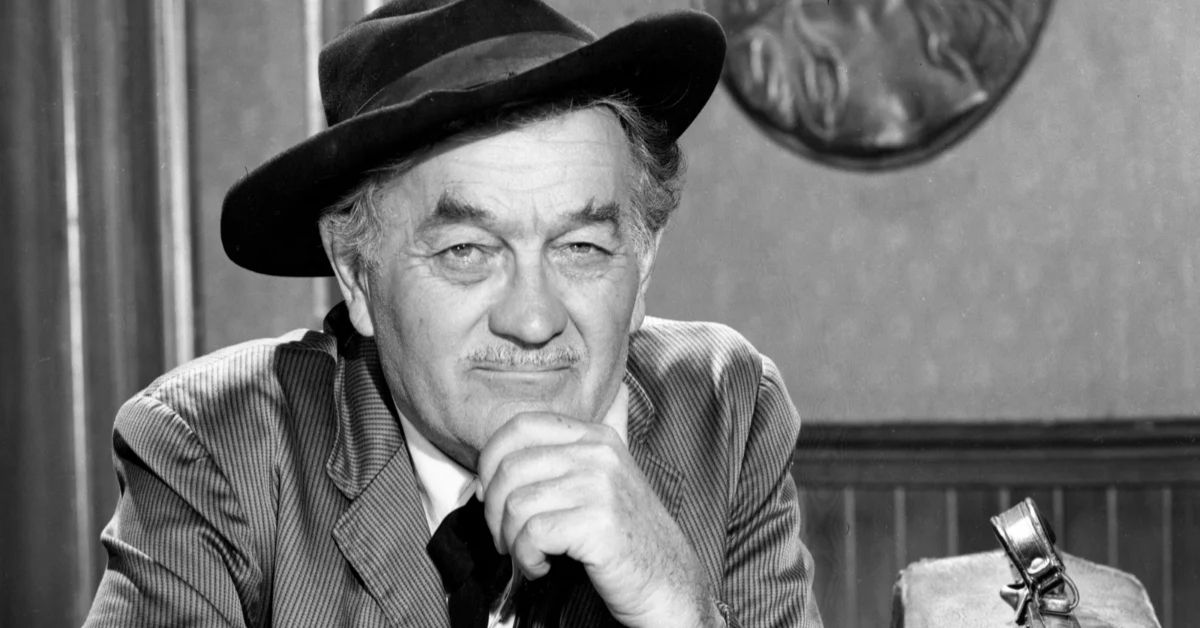
This article provides a detailed and well-researched exploration of milburn stone net worth, examining how a long, steady career in American entertainment translated into lasting financial success. It traces Milburn Stone’s journey from his early theatrical background and vaudeville roots to becoming one of the most recognizable faces in western television through his iconic role as Doc Adams on Gunsmoke.
The article explains how consistent television earnings, film appearances, stage performance, and disciplined financial management shaped his wealth over time. It also explores the broader impact of Gunsmoke as a long-running western, Stone’s post-show career, and the personal values that influenced his financial legacy. By placing his income within historical and industry context, this guide offers a clear, complete picture of his enduring success.
Quick Facts
| Fact | Details |
| Full Name | Hugh Milburn Stone |
| Known As | Milburn Stone |
| Date of Birth | July 5, 1904 |
| Place of Birth | Burrton, Kansas, United States |
| Date of Death | June 12, 1980 |
| Age at Death | 75 years |
| Profession | Actor, Performer |
| Primary Fame | Role of Doc Adams |
| Iconic Character | Doc Adams |
| Famous TV Show | Gunsmoke |
| Show Genre | Western television / TV western |
| Years Active | 1920s – 1970s |
| Career Span | Over 50 years in entertainment |
| First Major Medium | Stage and vaudeville |
| Early Training | Touring repertory troupes, stage performance |
| Broadway Connection | Nephew of Fred Stone (Broadway comedian) |
| Entry into Show Business | Vaudeville and variety shows |
| Television Breakthrough | Gunsmoke (1955) |
| Episodes Appeared In | Nearly all Gunsmoke episodes |
| Emmy Awards | 1 Primetime Emmy Award |
| Primary Income Source | Television earnings from Gunsmoke |
| Acting Type | Character actor |
| Film Appearances | Dozens of films before and during TV career |
| Financial Peak | During Gunsmoke’s long-running success |
| Known For | Career longevity, consistency, reliability |
| Legacy | One of the most enduring characters in classic TV western history |
Early Life and Career Beginnings
Milburn Stone was born on July 5, 1904, in Burrton, Kansas, a small Midwestern town far removed from the glamour of Hollywood. His path into show business was shaped early by a strong family legacy in theater. Stone was the nephew of Fred Stone, a legendary Broadway comedian and stage star whose influence helped open doors in professional performing arts. Growing up around theater gave Milburn Stone exposure to stage performance long before he became a working actor.
As a teenager, Stone joined touring repertory troupes, which were common training grounds for aspiring performers in the early 20th century. These troupes traveled extensively, requiring actors to master a wide range of roles, often with little rehearsal time. This experience built Stone’s versatility and discipline, two qualities that later defined his character actor career.
He also performed in vaudeville, working as part of a song-and-dance team and appearing in variety shows. Vaudeville demanded adaptability, comedic timing, and stamina—skills that translated well into film and television acting. Stone’s theatrical background and years as a touring performer provided financial stability early in his career, even before he reached national fame. These formative years laid the foundation for an entertainment career built on consistency rather than overnight success.
Early Career and Rise to Fame
Milburn Stone’s early professional life was defined by persistence. After honing his craft on stage, he transitioned into film during the 1930s and 1940s, appearing in numerous westerns, crime dramas, and serials. While he rarely played leading roles, his reliability made him a sought-after character actor in Hollywood. Studios valued performers like Stone who could deliver strong performances under tight production schedules.
During this period, Stone appeared in dozens of films, many within the western television and B-movie genres that dominated mid-century American entertainment. His ability to portray authority figures, townsfolk, and morally grounded characters helped him stand out in a crowded field. These roles may not have brought fame, but they provided steady income and long-term industry relationships.
The rise of television in the early 1950s marked a turning point. Stone was well-positioned to adapt due to his stage discipline and film experience. When Gunsmoke debuted in 1955, it changed everything. The classic TV show quickly became one of the most influential and long-running western series in broadcast history.
Stone’s casting as Doc Adams—a gruff but compassionate frontier physician—allowed him to showcase depth and warmth that resonated with audiences. This role elevated him from working actor to household name, significantly increasing both his professional stature and earning potential within the entertainment industry.
Earnings from Gunsmoke
Gunsmoke was the cornerstone of Milburn Stone’s financial success. Running for 20 seasons, it remains one of the longest-running scripted series in American television history. Stone appeared in nearly every episode, making his portrayal of Doc Adams one of the most enduring characters in TV western lore.
At the height of the show’s popularity, cast members earned competitive salaries by industry standards of the time. While Stone did not earn as much as the series lead, his long tenure ensured substantial cumulative television earnings. Unlike modern residual-heavy contracts, actors of that era relied heavily on episode salaries and negotiated increases over time.
The financial impact of Gunsmoke can be summarized as follows:
| Income Source | Contribution to Wealth |
| Episode salary | Primary income |
| Contract renewals | Salary growth over time |
| Awards and recognition | Career longevity |
| Syndication exposure | Indirect financial value |
This table shows that while syndication did not generate massive residuals, it solidified Stone’s acting legacy, ensuring continued relevance and opportunities. Winning an Emmy Award further strengthened his professional standing, allowing him to command respect and stability within Hollywood.
The Impact of Gunsmoke on Milburn Stone’s Wealth
Beyond direct earnings, Gunsmoke provided long-term financial security through consistency. Few actors in show business enjoy two decades of uninterrupted work on a single production. This stability allowed Stone to plan financially, avoid risky career moves, and maintain a comfortable lifestyle.
The show’s cultural impact also enhanced Stone’s personal brand. As part of a defining TV western, he became associated with trust, wisdom, and reliability—qualities that translated into continued demand as a performer. The role of Doc Adams became inseparable from Stone’s identity, reinforcing his value within the entertainment industry.
Importantly, the show aired during a period when television advertising revenues were rising rapidly. Networks invested heavily in proven hits, which helped protect cast salaries even as production costs increased. Stone benefited from this environment, securing a reliable income stream year after year.
In practical terms, Gunsmoke transformed Stone’s career from project-based earnings to long-term wealth accumulation. It allowed him to focus less on chasing roles and more on preserving financial stability, a key factor in understanding his overall net worth.
Film Appearances and Other Ventures
Although Gunsmoke dominated his later career, Milburn Stone never abandoned film or stage entirely. Before and during his television success, he appeared in numerous movies that contributed supplemental income and reinforced his reputation as a dependable actor.
His film work included westerns, dramas, and action films that aligned with his on-screen persona. These projects may not have generated massive paychecks individually, but collectively they added depth to his Hollywood career. Stone’s willingness to accept varied roles ensured steady work across different formats.
In addition to film, Stone maintained ties to Broadway and live performance. His early experience as a touring performer and stage performance veteran gave him credibility beyond television. Though less financially significant than his TV work, these ventures diversified his income and reinforced his professional versatility.
Stone did not aggressively pursue business ventures outside acting, which was common for performers of his generation. Instead, he focused on sustaining a long, respectable career—an approach that prioritized financial security over high-risk investments.
Post-Gunsmoke Career and Financial Status
When Gunsmoke ended in 1975, Milburn Stone was already financially secure. Decades of consistent earnings allowed him to step away from full-time acting without financial pressure. Unlike many actors who struggle after a career-defining role ends, Stone transitioned smoothly into semi-retirement.
He made occasional public appearances and participated in events related to the show’s legacy, which provided modest income and kept him connected to fans. More importantly, his disciplined financial habits ensured that he did not rely on constant work to maintain his lifestyle.
By this stage, Stone’s net worth reflected cumulative earnings rather than new income streams. His wealth was not extravagant by modern celebrity standards, but it was substantial relative to his era and represented successful long-term financial planning within the entertainment industry.
Diversification and Financial Management
Milburn Stone’s financial success was rooted in stability rather than speculation. He avoided the lavish spending and risky investments that undermined many Hollywood careers. Instead, his approach emphasized:
- Consistent work over short-term fame
- Controlled living expenses
- Long-term savings
- Career longevity
This strategy proved effective. While he did not build a diversified business empire, he protected his earnings through conservative financial management. This approach aligns with many performers of the Golden Age of Hollywood, who viewed acting as a profession rather than a vehicle for celebrity branding.
Stone’s financial decisions ensured that his acting legacy translated into real-world security, reinforcing the importance of discipline in sustaining wealth over decades.
Personal Life and Financial Legacy
Milburn Stone’s personal life reflected the same values that guided his career: commitment, modesty, and responsibility. He was married for many years and maintained a relatively private lifestyle, avoiding the excesses often associated with Hollywood fame.
His family legacy, shaped by his connection to Fred Stone, emphasized professionalism and respect for the craft. This mindset influenced how he handled money, viewing financial success as a byproduct of dedication rather than the primary goal.
Stone’s legacy today is defined not just by his portrayal of Doc Adams, but by his example as a working character actor who built lasting wealth through consistency. His career demonstrates that financial success in western television and classic entertainment did not require stardom alone—only discipline, longevity, and respect for the profession.
Conclusion
Milburn Stone’s net worth was the result of a lifetime of steady work, smart choices, and unwavering professionalism. From his early days in vaudeville and touring troupes to his iconic role on Gunsmoke, he built wealth gradually and responsibly. His story remains a powerful example of how long-term success in acting and television can create both financial security and an enduring cultural legacy.

Nathan Cole writer at BlessingsShine, dedicated to creating heartfelt blessings, prayers, and inspirational messages that uplift and guide readers. With years of experience, he blends empathy, spiritual insight, and practical wisdom to help people find comfort, positivity, and clarity in everyday life. Nathan’s work is designed to inspire hope, strengthen connections, and provide meaningful words that readers can use in personal reflection or to share with others.