

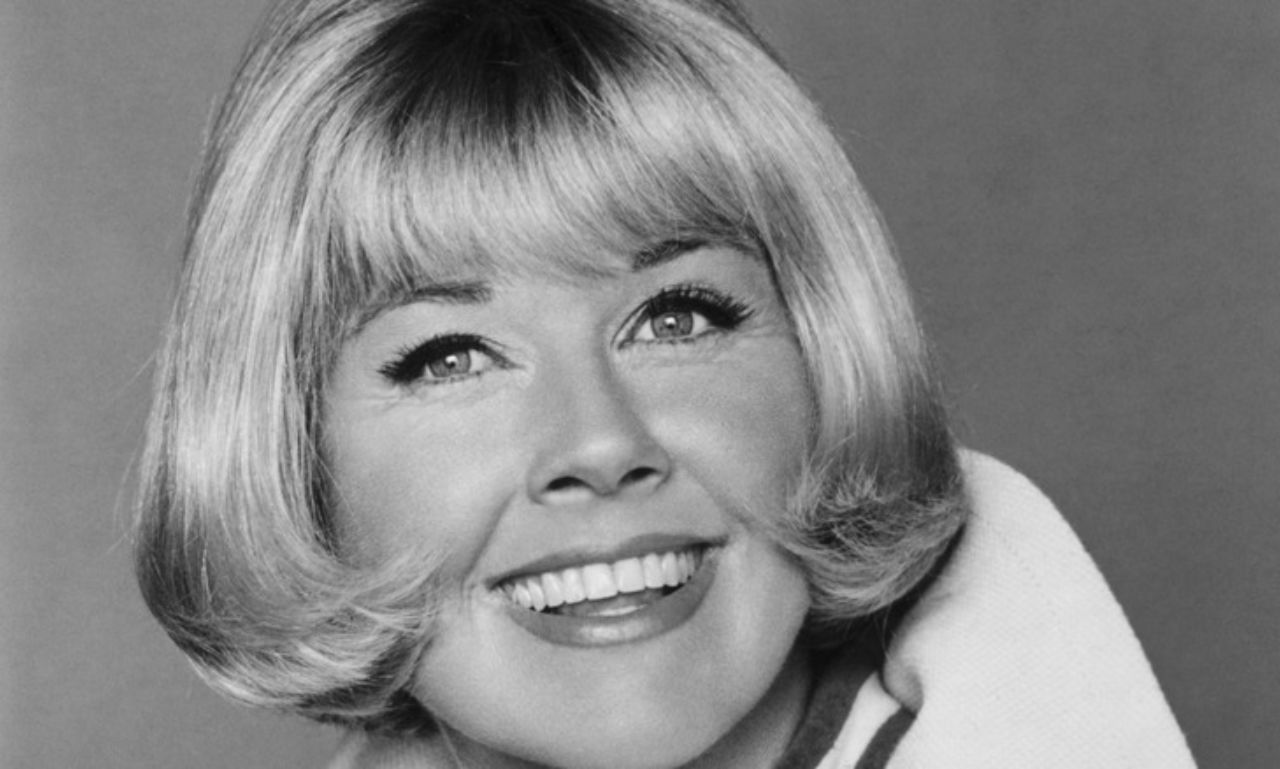
Doris Day was America’s sweetheart during the golden age of cinema. As a legendary Hollywood actress, pop singer, and dedicated animal rights activist, she won over millions of hearts worldwide. Her talent shone bright in hit romantic comedies and classic studio albums. This massive success in the entertainment industry helped build the incredible doris day net worth, showing that she was a true powerhouse both on the screen and off.
But how did she build such a massive fortune during her golden era career? It took more than just basic movie salaries or lucrative music royalties. She survived deep financial betrayals and bounced back stronger as a smart real estate investor. Let’s look closer at the box office success that funded her legendary estate.
Her journey from a popular big band vocalist to a top-tier box office draw remains inspiring. Beyond her multimillion-dollar wealth, her true legacy lives on through her beloved animal foundation. Here is exactly how she earned, lost, and rebuilt her immense financial wealth.
Quick Facts
| Profile Attribute | Details |
| Full Name | Doris Mary Ann von Kappelhoff |
| Stage Name | Doris Day |
| Date of Birth | April 3, 1922 |
| Place of Birth | Cincinnati, Ohio, U.S. |
| Date of Death | May 13, 2019 (Aged 97) |
| Place of Death | Carmel Valley, California, U.S. |
| Primary Occupations | Actress, singer, animal welfare advocate |
| Years Active | 1937–2012 |
| Net Worth at Death | $200 Million |
| Signature Song | “Que Sera, Sera (Whatever Will Be, Will Be)” |
| Major Film Debut | Romance on the High Seas (1948) |
| Key Organizations Founded | Doris Day Animal Foundation (DDAF), Doris Day Animal League (DDAL) |
| Major Awards & Honors | Presidential Medal of Freedom (2004), Grammy Lifetime Achievement Award (2008), Golden Globe Cecil B. DeMille Award (1989) |
Who Was Doris Day?
Born Doris Mary Anne Kappelhoff in Cincinnati, Ohio, Doris Day was an iconic American actress, singer, and devoted animal welfare advocate who became one of the most prolific and beloved entertainers of the 20th century. With her signature bright smile, vibrant blonde hair, and remarkable vocal range, she captured the hearts of audiences worldwide, earning her the title of “America’s Sweetheart.” Her dual success as a recording artist and a cinematic leading lady made her a rare and incredibly versatile force in show business.
Day began her professional career as a big band singer before seamlessly transitioning into the world of film. Over three decades, she starred in 39 feature films, recorded over 600 songs, and hosted her own highly-rated television programs. Beyond her incredible professional achievements on screen and stage, Day was known for her deep compassion for animals. She famously walked away from the Hollywood spotlight at the height of her fame to dedicate the latter half of her life to rescue work and systemic animal advocacy. Her cultural footprint remains monumental, blending artistic excellence with groundbreaking philanthropic endeavors.
Doris Day Net Worth at the Time of Death
When Doris Day passed away at the age of 97, she left behind an immense financial legacy. Industry financial audits and estate records confirmed that the legendary star possessed a stunning net worth of $200 million at the time of her death. This massive fortune solidifies her position as one of the most financially successful stars from Hollywood’s classic golden era, especially considering the severe financial crises she had to overcome during the middle of her career.
Her total net worth was a diverse mix of liquid financial assets, valuable intellectual property, and premium California real estate holdings. Unlike many of her contemporaries whose wealth faded in their later years, Day’s assets continued to grow significantly through smart investments and ongoing commercial interest in her historic catalog. To understand how her vast wealth was balanced, the following table breaks down the core components that made up her impressive $200 million estate:
| Asset Category | Estimated Contribution | Primary Revenue Source |
| Real Estate Holdings | $110 Million | Carmel Valley estate, luxury residential properties, hospitality investments |
| Intellectual Property | $50 Million | Film residuals, music royalties, image licensing, and sync rights |
| Cash & Liquid Investments | $40 Million | Diversified investment portfolios, corporate bonds, and cash reserves |
The numbers above show that her wealth was built on far more than just her initial movie paychecks. Her real estate holdings, in particular, grew dramatically in value over the decades, protecting her wealth from inflation and market shifts. This well-structured financial base allowed Day to maintain a comfortable, independent lifestyle while ensuring her philanthropic mission would remain fully funded long into the future.
Early Life and Career Start
Long before she became a household name, Doris Day faced severe personal challenges that completely altered the course of her life. She originally trained as a dancer, forming a promising duo with her partner Jerry Doherty. However, a catastrophic car accident fractured her right leg, abruptly ending her dreams of a professional dance career. While recovering from this trauma during a long period of bed rest, Day began listening closely to the radio, singing along with jazz icons like Ella Fitzgerald to pass the time and develop her vocal style.
Recognizing her daughter’s natural vocal gift, her mother arranged for singing lessons with vocal coach Grace Raine. Raine immediately saw immense potential in young Doris and gave her three lessons for the price of one. This classical training paid off quickly, and by the late 1930s, she landed a job as a vocalist with bandleader Barney Rapp. Rapp suggested she adopt the stage name “Doris Day” because her German surname, Kappelhoff, was too long to fit on theater marquees. She later toured with famous big bands led by Jimmy James, Bob Crosby, and Les Brown, gaining vital performance experience and nationwide recognition.
Rise to Hollywood Stardom
Doris Day’s rise to Hollywood stardom was rapid and incredibly successful. In 1947, her talent caught the attention of songwriters Jule Styne and Sammy Cahn, who recommended her to legendary director Michael Curtiz for a role in the musical film Romance on the High Seas. Despite having no formal acting experience, her screen test was a triumph. Curtiz famously remarked that her honesty and natural charm were completely captivating, launching her instantly into the Hollywood studio system.
Throughout the late 1940s and 1950s, Day became one of Warner Bros.’ biggest stars, appearing in a rapid succession of hit musicals and dramas like Calamity Jane and Love Me or Leave Me. Audiences loved her relatable, down-to-earth personality and exceptional musical talent. She shattered box-office records, proving she could draw massive crowds entirely on her own name. By the time she transitioned into freelance acting across major studios, she was widely recognized as a premier leading lady, laying the groundwork for the historic multi-film deals that followed.
Doris Day Film Career Earnings
As her popularity soared, Doris Day became one of the highest-paid film stars in the entire entertainment industry. During the peak of her movie career, she regularly commanded top-tier salaries, earning between $250,000 and $500,000 per film, which equals millions of dollars per role today. Her financial peak arrived when she starred in a series of iconic romantic comedies alongside screen legend Rock Hudson, beginning with the smash hit Pillow Talk.
To understand her historic earning power, consider the following list of her top-grossing films and their financial structures:
- Pillow Talk (1959): Earned her an Academy Award nomination and a massive baseline salary, plus a lucrative percentage of the film’s total profits.
- That Touch of Mink (1962): Co-starring Cary Grant, this film grossed over $17 million globally, triggering massive backend bonuses for Day.
- The Man Who Knew Too Much (1956): Directed by Alfred Hitchcock, this classic thriller featured her iconic performance of the song “Que Sera, Sera,” netting her both a premium acting salary and extensive music synchronization fees.
These films generated incredible profits for the major studios, allowing Day to negotiate unprecedented financial terms, including profit-sharing agreements that secured a steady stream of income long after production wrapped.
Music Career and Album Success
While her film career was booming, Doris Day also maintained a highly successful parallel career as a legendary pop and jazz recording artist. Signed to Columbia Records, she was one of the most successful female vocalists of the 20th century. Her music career featured numerous chart-topping hits and iconic studio albums that brought in steady, substantial income through retail sales and radio airplay.
Her first major musical success came in 1945 with the track “Sentimental Journey,” which became an anthem for returning World War II veterans and sold over a million copies. She followed this with a long string of hits, including “Secret Love” and her definitive signature song, “Que Sera, Sera (Whatever Will Be, Will Be).” These recordings sold tens of millions of physical singles and albums globally. The steady flow of music royalties from Columbia Records served as a dependable financial foundation, protecting her overall wealth even during times when she stepped away from the movie camera.
Business Ventures and Income Sources
Doris Day was far more than just a talented performer; she was a multifaceted brand. Alongside her third husband, producer Martin Melcher, she established Arwin Productions, an independent film and television production company. Arwin handled the development of her starring vehicles, giving her creative control and a much larger share of the profits than standard studio contracts offered. The company also expanded into music publishing, buying up copyright catalogs that brought in substantial intellectual property revenue.
However, her financial journey faced a major crisis in 1968 following the sudden death of Martin Melcher. Day discovered that Melcher and their trusted business manager, Jerome B. Rosenthal, had completely mismanaged and embezzled her earnings, leaving her more than $500,000 in debt and wiping out her entire fortune.
To dig herself out of this massive financial hole, Day launched into a series of strategic moves:
- The Doris Day Show: She reluctantly honored a television contract Melcher had secretly signed before his death, starring in the hit CBS sitcom from 1968 to 1973, which successfully stabilized her finances.
- Historic Legal Action: She filed a massive lawsuit against Jerome B. Rosenthal for fraud and legal malpractice, resulting in a landmark $27.3 million judgment in her favor.
- Insurance Settlement: After years of fierce legal appeals, she eventually secured a $6 million cash settlement from Rosenthal’s insurers, successfully rebuilding her multi-million-dollar wealth.
This dramatic financial recovery showed Day’s incredible resilience, turning what could have been a career-ending bankruptcy into a story of ultimate financial triumph.
Real Estate and Luxury Assets
A massive portion of Doris Day’s enduring $200 million net worth came from her incredibly smart investments in premium California real estate. After moving away from the busy Hollywood social scene, she focused her capital on buying valuable residential and commercial properties. Her most famous asset was her breathtaking 11-acre estate in Carmel-by-the-Sea, located in Northern California. This beautiful property grew exponentially in value over the decades as the coastal region became one of the most exclusive and expensive real estate markets in the country.
In addition to her primary estate, Day was a co-owner of the Cypress Inn, a historic luxury boutique hotel located in Carmel. Recognizing the growing demand for pet-friendly luxury travel, she converted the hotel into a pioneer of pet-friendly hospitality, which drastically boosted its popularity and profits. She also held valuable real estate assets across Malibu and Beverly Hills, building a robust, high-yield property portfolio that provided excellent insulation against inflation and economic shifts.
Royalties and Ongoing Earnings
Doris Day’s financial engine continued to run smoothly long after her formal retirement from acting and singing. Thanks to the timeless nature of her work, her estate continued to collect substantial royalties from film residuals, music streams, and media syndication. Classic movies like Pillow Talk and Calamity Jane are broadcast regularly around the world, generating consistent backend checks for her estate.
In the modern digital streaming landscape, her music catalog continues to reach new generations of listeners. Hits like “Que Sera, Sera” are frequently licensed for major television commercials, Hollywood movies, and streaming platforms, bringing in lucrative synchronization fees. Furthermore, her name, likeness, and image rights are carefully managed by her estate, ensuring that commercial merchandise deals and media retrospectives generate reliable, high-margin revenue.
Philanthropy and Animal Welfare Work
During the second half of her life, Doris Day turned her full attention toward her true passion: protecting animals. In 1978, she founded the Doris Day Pet Foundation, which later grew into the internationally recognized Doris Day Animal Foundation. She also established the Doris Day Animal League, a powerful Washington, D.C.-based lobbying group dedicated to passing strict federal animal protection laws.
Day did not just donate spare cash; she channeled millions of dollars of her own personal wealth into these organizations. She funded nationwide spay-and-neuter programs, stepped in with emergency grants for disaster relief, and opened advanced veterinary care facilities for senior pets. Her tireless advocacy work transformed the landscape of animal welfare in America, proving that her immense wealth could be used as a powerful tool to create lasting, positive change for vulnerable creatures.
Financial Legacy of Doris Day
The financial legacy of Doris Day stands as a powerful testament to her incredible resilience, business intelligence, and deep generosity. After successfully recovering from a devastating mid-career betrayal that left her deep in debt, she carefully rebuilt an empire that reached a stunning $200 million. In accordance with her explicit wishes, her massive estate was not passed down to private individuals or distant heirs; instead, it was directed entirely to her animal charity.
The Doris Day Animal Foundation continues to manage her investments, real estate properties, and intellectual property royalties. The revenue generated by her historic film and music catalog goes directly toward funding animal rescue operations, veterinary grants, and welfare programs across the United States. Her financial story is a rare and inspiring example of an iconic Hollywood star converting lifetime artistic success into a self-sustaining, permanent engine for global philanthropy.
Conclusion
Doris Day’s extraordinary journey from a big band singer to a $200 million Hollywood legend highlights a unique blend of exceptional talent, personal resilience, and brilliant business recovery. Despite facing massive financial fraud that threatened to wipe out her entire life’s work, she fought back through strategic television projects, landmark legal victories, and incredibly smart real estate investments. Her enduring wealth shows that she was far more than just a beloved performer; she was an incredibly sharp and determined business woman. Today, her financial legacy lives on through her foundations, ensuring that her hard-earned success continues to protect and care for the animals she loved so deeply.

Nathan Cole writer at BlessingsShine, dedicated to creating heartfelt blessings, prayers, and inspirational messages that uplift and guide readers. With years of experience, he blends empathy, spiritual insight, and practical wisdom to help people find comfort, positivity, and clarity in everyday life. Nathan’s work is designed to inspire hope, strengthen connections, and provide meaningful words that readers can use in personal reflection or to share with others.