

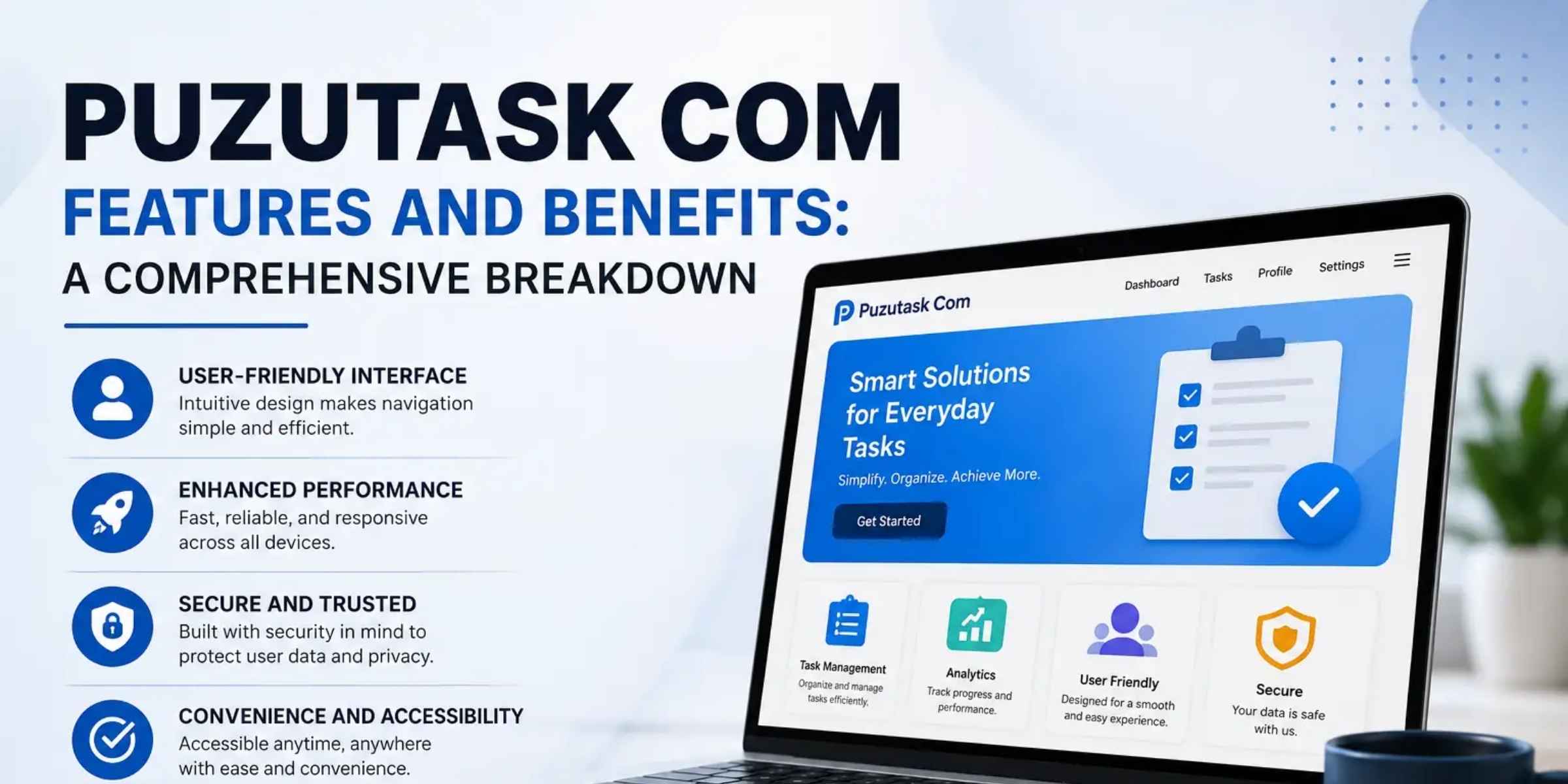
In today’s fast-paced digital environment, staying organized is more challenging than ever. Individuals, remote workers, students, entrepreneurs, and corporate teams constantly search for tools that help manage tasks, streamline workflows, and improve productivity. One term gaining attention online is puzutask com, prompting many users to ask what it is and why people are searching for it.
This guide explores everything you need to know about puzutask com, including the growing demand for productivity platforms, key features commonly associated with modern task management systems, emerging industry trends, and the future of digital productivity technology. Whether you’re looking to improve personal organization or optimize team collaboration, understanding how productivity platforms work can help you make smarter decisions in today’s increasingly digital world.
What Is Puzutask Com?
Puzutask com is a search term that has attracted growing interest among users seeking information about productivity, task management, and workflow optimization solutions. While public information may be limited, the term is commonly associated with digital productivity platforms designed to help users organize tasks and improve efficiency.
Modern productivity platforms typically provide centralized environments where users can manage projects, schedule activities, track progress, and coordinate responsibilities. These systems aim to simplify work processes while reducing the complexity associated with managing multiple responsibilities.
As digital work environments continue evolving, interest in platforms like puzutask com reflects the broader movement toward smarter task management and enhanced organizational capabilities.
Why Productivity Platforms Are More Important Than Ever
The modern workplace has changed dramatically over the past decade. Remote work, hybrid teams, digital communication, and increasing workloads have created a greater need for structured productivity systems.
Employees and business owners often manage dozens of tasks simultaneously. Without effective organizational tools, important responsibilities can easily be overlooked. Productivity platforms help users maintain visibility across projects while improving accountability.
Additionally, the rise of digital transformation has made task management software an essential component of daily operations. Businesses increasingly rely on productivity tools to maintain efficiency, coordinate teams, and achieve strategic objectives.
Why Are People Searching for Puzutask Com?
Interest in puzutask com appears to stem from the growing demand for effective productivity solutions. As individuals seek ways to better organize their personal and professional lives, searches related to task management platforms continue to increase.
Many users are researching newer productivity tools to determine whether they offer innovative features compared to established platforms. Curiosity often drives online searches, especially when new productivity solutions begin appearing across digital communities.
Furthermore, the widespread adoption of remote work has encouraged users to explore platforms that can help maintain structure, improve communication, and support goal achievement.
Curiosity About New Productivity Tools
People naturally seek better solutions when managing complex workloads. New productivity platforms frequently attract attention because users hope to discover features that simplify daily responsibilities.
Technology enthusiasts often evaluate emerging tools to compare capabilities such as project management, automation, collaboration, and scheduling support. This curiosity contributes significantly to search volume for terms like puzutask com.
Additionally, professionals often look for alternatives that provide improved user experiences, streamlined interfaces, or unique workflow management capabilities not found elsewhere.
Growing Demand for Organization
Organization remains one of the most valuable skills in modern life. Whether managing business projects, academic assignments, or personal goals, structured planning increases the likelihood of success.
Digital productivity platforms provide centralized systems that eliminate scattered notes, forgotten deadlines, and inconsistent planning methods. Users can consolidate tasks into organized workflows that support better decision-making.
As responsibilities become increasingly complex, demand for organizational tools continues growing across nearly every industry and demographic group.
Digital Transformation
Digital transformation has reshaped how businesses operate. Traditional paper-based systems have largely been replaced by cloud-based applications and automated workflows.
Organizations now prioritize software solutions that improve efficiency and support data-driven decision-making. Productivity platforms fit naturally into this transformation by helping teams manage information more effectively.
As technology adoption expands, interest in platforms associated with task management and workflow optimization continues to rise.
Improved Efficiency
Efficiency remains a primary reason users adopt productivity software. By centralizing tasks, deadlines, and communication, productivity platforms reduce time spent searching for information.
Users can prioritize responsibilities, monitor progress, and allocate resources more effectively. This streamlined approach minimizes duplication of effort while supporting faster project completion.
Businesses particularly value productivity tools because even small efficiency improvements can generate significant long-term operational benefits.
Knowing Modern Task Management
Modern task management goes far beyond simple to-do lists. Today’s platforms incorporate scheduling, automation, collaboration, analytics, and performance tracking.
Users can create structured workflows that align with personal goals or organizational objectives. These systems provide greater visibility into ongoing projects and upcoming deadlines.
Understanding modern task management principles helps users maximize productivity while maintaining better control over their workloads.
Key Features Often Associated With Productivity Platforms
Most productivity platforms share several common features designed to support organization and efficiency. These capabilities help users manage tasks, collaborate with teams, and monitor progress.
While specific implementations vary across platforms, the underlying goal remains consistent: improving productivity through structured workflow management.
Understanding these features provides valuable insight into why productivity tools continue gaining popularity among individuals and organizations alike.
Task Organization
Task organization serves as the foundation of effective productivity systems. Users can categorize activities, assign priorities, and group related responsibilities.
Well-organized task structures reduce confusion and make it easier to focus on high-value activities. Clear organization also improves visibility across projects and deadlines.
By creating structured workflows, users can better manage complex workloads while maintaining consistent progress.
Scheduling Support
Scheduling functionality helps users allocate time effectively. Calendars, reminders, and deadline tracking features improve planning accuracy.
Integrated scheduling reduces the likelihood of missed appointments, forgotten tasks, or overlapping commitments. This capability is particularly valuable for professionals managing multiple projects simultaneously.
Effective scheduling promotes better time management and helps users maintain consistent productivity.
Priority Management
Not all tasks carry equal importance. Priority management features help users identify high-impact responsibilities and allocate resources appropriately.
Visual indicators, ranking systems, and categorization tools support informed decision-making. Users can focus on urgent and important tasks without becoming overwhelmed by less critical activities.
Strong prioritization contributes directly to improved productivity and better outcomes.
Progress Tracking
Progress tracking provides visibility into project completion and individual performance. Users can monitor milestones, evaluate achievements, and identify potential bottlenecks.
Tracking systems create accountability while helping teams maintain momentum toward objectives. Managers often rely on these insights to support strategic planning and resource allocation.
Regular progress monitoring also encourages continuous improvement and goal achievement.
Accessibility
Accessibility has become a critical component of modern productivity software. Users expect seamless access across desktops, smartphones, tablets, and cloud environments.
Cross-device accessibility supports flexible work arrangements while ensuring information remains available when needed. This capability is especially important for remote and hybrid workforces.
Improved accessibility contributes significantly to user satisfaction and platform adoption.
How Digital Productivity Tools Improve Daily Life
Digital productivity tools offer benefits that extend beyond workplace performance. Many users apply these systems to personal goals, household management, education, and financial planning.
By providing structure and visibility, productivity platforms help individuals make more effective use of their time and energy.
These advantages contribute to improved organization, reduced stress, and greater overall effectiveness.
Better Time Management
Time management remains one of the most valuable benefits of productivity tools. Users gain clearer insight into commitments, deadlines, and available resources.
Scheduling and planning features help individuals allocate time strategically while minimizing unnecessary distractions.
As a result, users often experience greater efficiency and improved work-life balance.
Reduced Mental Clutter
Keeping track of numerous responsibilities can create cognitive overload. Productivity tools serve as external organizational systems that reduce mental burden.
Instead of remembering every task manually, users can rely on digital systems to store and organize information.
This reduction in mental clutter often leads to improved focus and decreased stress levels.
Improved Focus
Distractions are a constant challenge in today’s digital environment. Productivity platforms help users maintain focus by clearly defining priorities and responsibilities.
Structured task lists reduce uncertainty and encourage intentional work habits. Users can direct attention toward meaningful objectives rather than reacting to constant interruptions.
Improved focus often translates into higher-quality work and faster completion times.
Goal Achievement
Successful goal achievement depends on consistent planning and execution. Productivity tools break large objectives into manageable steps.
This structured approach makes complex goals feel more achievable while providing measurable progress indicators.
Users who regularly track goals often experience higher levels of motivation and accountability.
Increased Accountability
Accountability plays a crucial role in personal and professional success. Productivity systems create visibility around commitments and deadlines.
Teams can track responsibilities, while individuals can monitor personal progress. This transparency encourages follow-through and consistent performance.
Higher accountability often leads to improved outcomes and stronger organizational discipline.
The Evolution of Productivity Technology
Productivity technology has undergone remarkable transformation over the past several decades. Each era introduced new capabilities that improved efficiency and organization.
Understanding this evolution provides context for modern platforms and future innovations.
The journey reflects broader technological advancements across computing and digital communication.
Traditional Planning Era
Before digital tools became widespread, planners, notebooks, calendars, and paper systems dominated task management.
These methods provided structure but lacked flexibility, automation, and collaboration capabilities.
Despite their limitations, traditional planning techniques established many principles still used in modern productivity systems.
Desktop Software Era
The introduction of desktop software brought significant improvements to productivity management. Users gained access to digital calendars, spreadsheets, and project planning applications.
These tools improved efficiency but remained largely device-dependent.
Desktop productivity solutions laid the groundwork for future innovations in task management technology.
Cloud Productivity Era
Cloud computing revolutionized productivity software by enabling real-time access across multiple devices.
Users could collaborate remotely, share information instantly, and maintain synchronized workflows.
Cloud-based platforms continue serving as the foundation for many modern productivity ecosystems.
Mobile Productivity Era
The widespread adoption of smartphones transformed productivity habits. Users gained the ability to manage tasks from virtually anywhere.
Mobile productivity applications support flexible work environments while improving responsiveness and accessibility.
This shift fundamentally changed expectations regarding task management and communication.
AI Productivity Era
Artificial intelligence represents the latest stage in productivity evolution. AI-powered systems can automate repetitive tasks, generate insights, and recommend workflow improvements.
According to industry reports, AI integration is becoming a defining feature of modern productivity software.
These capabilities have the potential to significantly enhance efficiency and decision-making.
User Experience and Productivity Success
User experience directly influences productivity platform adoption and long-term success. Even feature-rich software can struggle if it feels difficult to use.
Successful platforms prioritize intuitive design, simplicity, and accessibility. Users are more likely to remain engaged when tools reduce complexity rather than add it.
Strong user experiences contribute to consistent usage, higher satisfaction, and improved productivity outcomes.
Why Simplicity Matters in Task Management
Simple interfaces reduce learning curves and encourage adoption. Users can begin organizing work quickly without extensive training.
Complex systems often create unnecessary barriers that discourage engagement.
Simplicity supports efficiency by allowing users to focus on tasks rather than software navigation.
Focus on Priorities
Effective productivity platforms help users identify what matters most. Priority-focused interfaces reduce distractions and improve decision-making.
Users gain clearer visibility into high-impact responsibilities while avoiding information overload.
This approach encourages meaningful progress toward goals.
Reduce Friction
Friction occurs whenever software creates unnecessary obstacles. Productivity tools should streamline workflows rather than complicate them.
Reducing friction improves efficiency, user satisfaction, and long-term engagement.
Successful platforms continually optimize processes to support effortless task management.
Improve Consistency
Consistency is essential for productivity success. Easy-to-use platforms encourage regular engagement and habit formation.
Users who consistently track tasks and goals typically achieve stronger results.
Reliable workflows support sustained performance over time.
Increase Adoption
Organizations invest heavily in software adoption. Tools that are intuitive and accessible often achieve higher implementation success rates.
Employees are more likely to embrace platforms that simplify daily responsibilities.
Higher adoption leads to greater productivity gains and stronger return on investment.
Mobile Productivity and Modern Work Habits
Mobile technology has fundamentally changed how people work. Users increasingly expect productivity tools to function seamlessly across devices.
Smartphones enable task management, communication, and collaboration from virtually any location.
This flexibility supports modern work habits while improving responsiveness and organizational efficiency.
Team Collaboration and Workflow Management
Collaboration remains a central requirement for many productivity platforms. Effective teamwork depends on visibility, communication, and coordination.
Workflow management systems help teams align efforts while maintaining accountability.
These capabilities support project success across organizations of all sizes.
Communication
Clear communication reduces misunderstandings and improves efficiency. Productivity platforms often integrate messaging, comments, and notifications.
Centralized communication channels keep information organized and accessible.
This structure supports faster decision-making and stronger collaboration.
Accountability
Shared visibility creates accountability among team members. Everyone understands responsibilities, deadlines, and expectations.
Accountability mechanisms encourage follow-through and consistent performance.
These benefits contribute to stronger project outcomes.
Transparency
Transparency improves trust and coordination. Team members can view project status, progress updates, and task ownership.
This visibility reduces confusion while supporting informed decision-making.
Transparent workflows often lead to more efficient operations.
Coordination
Coordination ensures tasks move smoothly through project workflows. Productivity platforms help teams align schedules, resources, and priorities.
Effective coordination minimizes delays and improves project execution.
Organizations increasingly prioritize tools that strengthen operational alignment.
Common Productivity Challenges
Despite technological advancements, many productivity challenges remain common.
Understanding these obstacles helps individuals select appropriate strategies and tools.
Addressing productivity barriers can significantly improve personal and professional performance.
Procrastination
Procrastination delays progress and increases stress. Productivity systems combat procrastination through reminders, scheduling, and accountability mechanisms.
Breaking tasks into smaller actions also encourages momentum.
Structured workflows help users maintain forward progress.
Disorganization
Disorganization creates inefficiencies and increases the risk of missed responsibilities.
Task management platforms centralize information and improve visibility.
Better organization supports stronger decision-making and execution.
Information Overload
Modern professionals encounter vast amounts of information daily.
Productivity tools help filter, categorize, and prioritize important content.
Managing information effectively reduces overwhelm and improves focus.
Time Management Issues
Poor time management often results in missed deadlines and reduced productivity.
Scheduling features help users allocate time strategically.
Improved planning supports better performance and goal achievement.
Missed Deadlines
Missed deadlines can damage productivity and credibility.
Reminders, notifications, and progress tracking help users stay on schedule.
These tools improve reliability and accountability.
Benefits of Digital Task Management Platforms
Digital task management platforms provide numerous advantages for individuals and organizations.
These benefits extend across planning, execution, communication, and performance measurement.
As digital work environments expand, their value continues increasing.
Improved Organization
Centralized task management improves visibility and structure.
Users can organize projects more effectively while reducing confusion.
Better organization supports higher productivity.
Better Planning
Planning tools help users anticipate future responsibilities and allocate resources efficiently.
Improved planning reduces uncertainty and supports consistent execution.
This capability contributes to long-term success.
Enhanced Productivity
Productivity platforms streamline workflows and reduce administrative burdens.
Users spend less time managing information and more time completing meaningful work.
Efficiency gains often accumulate significantly over time.
Greater Flexibility
Cloud and mobile accessibility support flexible work arrangements.
Users can manage responsibilities from virtually anywhere.
Flexibility improves responsiveness and adaptability.
Stronger Goal Tracking
Goal tracking provides measurable indicators of progress.
Users remain motivated while maintaining visibility into objectives.
Consistent tracking improves achievement rates.
Digital Productivity Trends in 2026
Productivity technology continues evolving rapidly. Several trends are shaping the industry in 2026.
Organizations increasingly seek intelligent, connected, and personalized solutions.
These innovations are expected to influence future productivity platforms significantly.
Artificial Intelligence
AI-powered assistants can automate repetitive tasks and generate workflow insights.
Organizations increasingly use AI to improve efficiency and reduce manual effort.
This trend continues accelerating across industries.
Automation
Automation reduces administrative workload and improves consistency.
Routine processes can be completed with minimal human intervention.
These capabilities free users to focus on strategic activities.
Personalized Workflows
Modern platforms increasingly adapt to individual preferences and work styles.
Personalization improves usability and engagement.
Customized experiences support stronger productivity outcomes.
Cloud Accessibility
Cloud infrastructure remains essential for modern productivity ecosystems.
Users expect seamless access across devices and locations.
Cloud accessibility supports collaboration and operational continuity.
Cross-Platform Integration
Integration capabilities connect productivity tools with calendars, communication platforms, and business applications.
Connected ecosystems reduce fragmentation and improve workflow efficiency.
Integration remains a major priority for software providers.
Why Productivity Matters in the Digital Age
Productivity has become a competitive advantage in the digital economy. Individuals and organizations that manage time and resources effectively often achieve better outcomes.
Rapid technological change requires adaptability and strong organizational practices. Productivity tools help users navigate increasingly complex environments.
As digital demands continue growing, effective productivity management will remain essential for success.
Future Potential of Platforms Like Puzutask Com
Platforms associated with productivity management have substantial future potential. Emerging technologies such as AI, automation, predictive analytics, and intelligent workflow systems continue expanding platform capabilities.
Public estimates suggest productivity software adoption will continue increasing as organizations pursue greater efficiency and operational agility.
As user expectations evolve, platforms like puzutask com may benefit from advancements that enhance usability, collaboration, and intelligent task management.
Pros and Cons Overview
Pros
- Improved organization and planning
- Better visibility into tasks and deadlines
- Enhanced collaboration capabilities
- Increased productivity and accountability
- Mobile and cloud accessibility
- Support for goal tracking and workflow management
Cons
- Learning curve for new users
- Potential subscription costs
- Overreliance on digital systems
- Feature overload in some platforms
- Requires consistent usage for best results
See Also:
- Project Management Software
- Workflow Automation Platforms
- Team Collaboration Tools
- Time Management Strategies
- Goal Tracking Applications
- Artificial Intelligence Productivity Solutions
FAQs
What is Puzutask Com?
Puzutask com is a search term commonly associated with productivity and task management solutions that help users organize tasks, improve workflows, and increase efficiency.
Why are productivity tools important?
Productivity tools help individuals and teams manage responsibilities, prioritize work, track progress, and improve overall efficiency in personal and professional settings.
How do digital task managers improve productivity?
Digital task managers centralize information, automate reminders, organize responsibilities, and provide visibility into deadlines, making work easier to manage.
Why is mobile access important?
Mobile access allows users to manage tasks from anywhere, supporting remote work, flexible schedules, and real-time updates across devices.
What trends are shaping productivity technology?
Major trends include artificial intelligence, workflow automation, personalized user experiences, cloud accessibility, and cross-platform integration.
Can productivity platforms reduce stress?
Yes. By organizing tasks and reducing mental clutter, productivity platforms can help users feel more in control of responsibilities and deadlines.
Why are workflow systems valuable?
Workflow systems improve coordination, transparency, accountability, and communication, helping teams complete projects more efficiently.
What is the future of productivity platforms?
The future will likely include deeper AI integration, smarter automation, predictive insights, and increasingly personalized productivity experiences.
Conclusion
As digital work environments continue evolving, interest in puzutask com reflects a broader demand for smarter productivity and task management solutions. Whether used for personal organization, professional planning, or team collaboration, modern productivity platforms help users manage responsibilities more effectively while improving focus and accountability. The continued growth of artificial intelligence, automation, cloud technology, and mobile accessibility will likely shape the next generation of productivity tools. By understanding the principles behind digital task management, users can make informed decisions that support long-term efficiency, organization, and goal achievement in an increasingly connected world.

Nathan Cole writer at BlessingsShine, dedicated to creating heartfelt blessings, prayers, and inspirational messages that uplift and guide readers. With years of experience, he blends empathy, spiritual insight, and practical wisdom to help people find comfort, positivity, and clarity in everyday life. Nathan’s work is designed to inspire hope, strengthen connections, and provide meaningful words that readers can use in personal reflection or to share with others.